
Skip to content

Explosion safety risk analysis Mitigate the risk of explosions

Explosions can have spectacular and dramatic consequences: they often cost lives and cause severe economic damage. The prevention of these explosive accidents is therefore also regulated by law.

RelyOn supports you as an employer in preparing the mandatory explosion safety risk analysis (Codex III.4), and in revising it for every change to products, processes, or installations.

Request your risk analysis

Explosion hazard, where?

Sometimes the danger of explosion is in obvious places. But sometimes it is also where you might not immediately expect it.

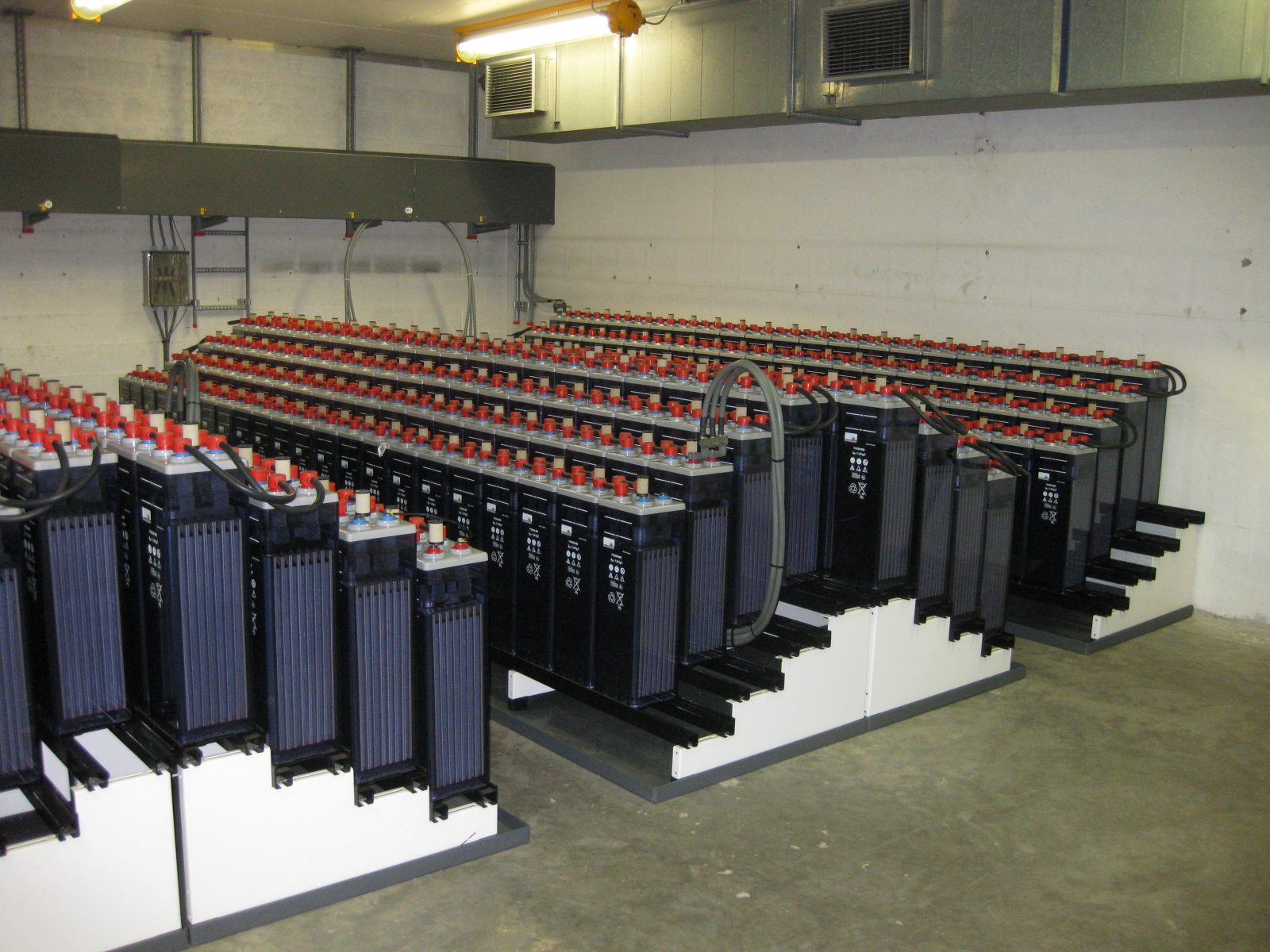
The storage of flammable liquids, but also charging a forklift battery or mechanical woodworking, are examples of situations with a risk of explosion.

Defining hazardous zones

When the explosion hazard risk analysis shows that the formation of an explosive atmosphere is possible in certain areas of your building, these areas must be classified into hazardous zones.

There are 3 levels of zones (from high to low risk): zones 0, 1, and 2 for gas and 20, 21, and 22 for dust. You will also need to avoid active ignition sources, and the devices within the zones must comply with certain technical requirements determined by the ATEX 114 directive.

The explosion protection document (EPD)

To limit damage in the event of an explosion, you can take both structural and organizational measures. During a risk analysis, RelyOn’s experts collect all these and more relevant documentation. We compile them into the explosion protection document (EPD).

Zoning plans and the detailed report for areas with explosion hazards (sometimes also called a ‘zoning file’) according to AREI/RGIE Book 1 – 7.102 can be integrated into the explosion protection document.

What can you expect from an explosion hazard risk analysis by RelyOn?

  • A site walkthrough;
  • Inventory of present substances, emission points, and ignition sources per room;
  • Explosive atmospheres risk analysis;
  • Preparation of zoning plans and guidance during approval by an accredited technical inspection service;
  • Preparation of the explosion protection document (EPD) in PDF format;
  • Discussion of the report and explanation of the findings.

Optional extras

  • Annual update of the explosion protection document;
  • Support in determining the electrostatic properties of materials;
  • Support for the prevention service in developing organizational measures.
Want to ensure an explosion-proof work environment?

Request an explosion safety risk assessment today.

Stay informed

New regulations regarding electrical safety, useful tips, and new training courses delivered directly to your inbox?